집 / 소식 / 업계 뉴스 / How to Use Men's Compression Socks for Swollen Ankles: Fit, Timing, and Everyday Wear
How to Use Men's Compression Socks for Swollen Ankles: Fit, Timing, and Everyday Wear
A sock line that is still pressed into your ankle at six in the evening is not a laundry problem. It usually means fluid has pooled in your lower leg during the day, and the fix is not a looser sock. It is a sock that puts the right amount of pressure in the right place at the right time.
Here is the short answer for men dealing with swollen ankles. Choose a measured calf-length or knee-high compression sock in the 15 to 20 mmHg range for everyday puffiness, put it on before you stand up in the morning, and wear it for 8 to 12 hours. Low-cut ankle socks and tight everyday socks rarely solve the problem, because graduated pressure has to be spread along the leg rather than squeezed into a single band above the ankle bone.
Why Compression Helps a Swollen Ankle
Compression socks work on a principle called graduated pressure. The strongest pressure sits at the ankle and gets weaker as the fabric climbs toward the knee. That gradient supports the veins and the calf muscle pump, the natural mechanism that pushes fluid back toward the heart. Without that support, fluid collects around the ankle bone through the day, and the swelling is usually at its worst in the late afternoon.
Length matters for the same reason. A low-cut sock creates one narrow zone of pressure, while a calf-length sock spreads the gradient across the ankle and the lower leg. For a man whose swelling reaches above the ankle bone, calf length is the practical minimum, and knee-high is often the better choice on days with long sitting, long standing, or air travel.
This is also why an ordinary dress sock feels wrong even when it fits. Everyday socks are knitted to stay up, not to create a pressure gradient, so they squeeze hardest at the top band. That is the opposite of what a swollen ankle needs.
Match the Compression Class to Your Swelling
Compression is sold in classes defined by the pressure measured at the ankle in millimetres of mercury. Buying the strongest class on the shelf is a common mistake. More pressure is not the same as more relief, and a class that is too high can leave your toes cold, numb, or tingling by lunchtime.
Compression classes are set by the pressure measured at the ankle in millimetres of mercury, and the pressure is designed to fall as the sock rises up the leg.
Class
Pressure at the ankle
Typical use
Fitting note
Mild support
8 to 15 mmHg
Tired, mildly puffy ankles after long standing or a flight
The easiest class to put on, often sold as a travel sock
Moderate support
15 to 20 mmHg
Everyday ankle swelling, long shifts, post-flight puffiness, mild injury recovery
The usual starting point for men, and it needs a measured calf
Firm support
20 to 30 mmHg
Noticeable swelling and clinician-directed treatment
Needs an accurate measurement and a fit check, not guesswork
Extra firm support
30 to 40 mmHg
Significant swelling and lymphedema, prescribed rather than self-selected
Fitted and supervised by a clinician
For mild to moderate swelling caused by standing, sitting, or travel, the 15 to 20 mmHg class is the usual starting point. If a clinician has already told you to manage more significant swelling, or you are recovering from an ankle injury, follow that instruction rather than the label on the package.
The chart compares how pressure falls along the leg for two common classes of men's compression socks, using the ankle as the reference point. In both classes the ankle receives the full pressure and the numbers drop as the sock climbs toward the knee. In the 15 to 20 mmHg class the ankle sits near 18 mmHg, and the pressure below the knee falls to roughly 7 mmHg. In the 20 to 30 mmHg class the ankle starts near 25 mmHg and still drops to about 10 mmHg below the knee. The pattern matters more than the headline number, because a sock that holds the same pressure all the way up the calf is not graduated compression at all. Notice also that the two classes differ by only a few millimetres of mercury in the upper calf, which is why fit at the ankle decides comfort far more than the class label does.
Measure the Ankle and the Calf Before You Buy
Size charts for compression socks are built on two numbers, ankle circumference and calf circumference. Shoe size is not one of them, and a sock chosen by shoe size alone is one of the most common reasons men abandon compression after a week.
Measure within 30 minutes of waking, before you stand or walk for long.
Wrap a soft tape around the narrowest part of the ankle, just above the ankle bone.
Measure the widest part of the calf, usually about a hand's width below the knee.
Measure from the floor to just below the bend of the knee for the length.
Compare all three numbers with the size chart and follow the calf measurement when the ankle and calf land in different sizes.
Repeat the measurements if your weight changes, or if a clinician changes your treatment.
When the ankle and the calf fall into two different sizes, the calf usually decides, and a band that is too tight at the top is the one place where compression can do real harm. It is also worth remembering that a size chart describes a new sock. Fabric relaxes with washing, so two pairs in rotation will hold their gradient far longer than one pair worn every day. If you are buying for everyday wear rather than a specific prescription, the full range of men's socks is a sensible place to compare lengths and materials before you commit to a class.
Ankle circumference is not a fixed number, and the chart shows a typical pattern for a man who stands and sits through a working day. The measurement is smallest shortly after waking, at about 24.8 cm in this example, and it grows steadily to roughly 27.1 cm by early evening. That is a change of more than 2 cm, which is easily enough to move one man from one sock size into the next on a size chart. It also explains why a pair that feels perfect at 7:00 AM can feel tight and itchy by dinner time. Measuring in the morning gives you the truer and lower number, which is the number the manufacturer expects you to use. If you measure after a long day on your feet, you will very likely order a sock that is too large at the ankle and will not hold its gradient. The gap between the morning and evening figures also gets wider in hot weather, which is worth remembering if you buy a single pair for the whole year.
Put Them On Before Your Feet Touch the Floor
The single habit that decides whether compression works for you is timing. Ankles are smallest in the first 30 minutes after waking, so the sock slides on easily and holds the leg at its baseline instead of pushing fluid upward. Wait until after breakfast and a shower, and you are fitting a sock around swelling that has already started.
A method that works with firm fabric
Turn the sock inside out down to the heel, keeping the foot section intact.
Slide your foot in and check that the heel pocket sits under your heel, not on your instep.
Work the fabric up the leg in short sections with both thumbs instead of pulling the top band.
Stand up, then smooth out any fold or roll before you put your shoe on.
Check your toes for colour and warmth five minutes later, and again at lunchtime.
Wrinkles are the enemy here. A single fold behind the ankle concentrates pressure and can create a sore spot within a few hours, so take an extra 20 seconds to smooth the fabric flat. If you have limited grip or a stiff back, a plastic donning aid or a light dusting of cornstarch on the heel makes the job much faster.
A sock that reaches the calf gives the gradient somewhere to travel. A longer style such as this one is designed for full length coverage over the ankle and lower calf:
Eight to twelve hours is the normal daily window for men's compression socks. That covers a work shift or a long flight but stops short of overnight, because ankles usually drain well enough when you are lying down. Take the socks off before bed unless a clinician has told you otherwise, and put your feet up for 20 minutes in the evening.
On travel days the timing rules tighten. Put the socks on before you leave the house, stand and walk every hour you are awake, and drink water rather than relying on salty airport food. Compression manages pooling, but it does not replace movement.
Wash the socks after every wear in lukewarm water, by hand or on a gentle cycle, and skip both the fabric softener and the dryer. Heat and softener break down the elastane that creates the gradient, so the same habits that extend the life of everyday socks apply here, and a two-pair rotation will outlast a single pair by a wide margin. These care and maintenance habits for men's socks are a good baseline for any sock you plan to wear daily.
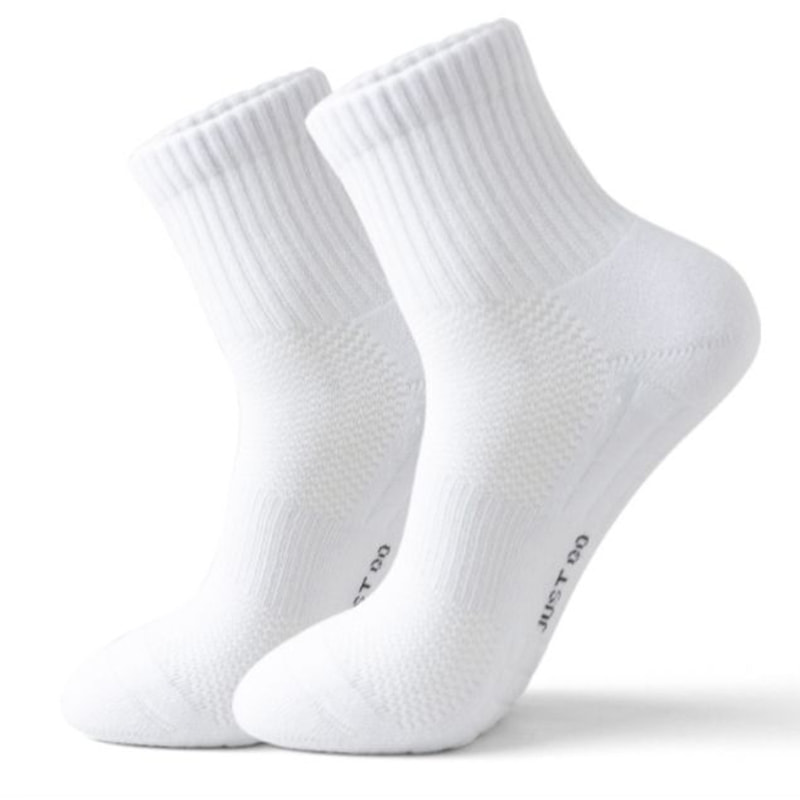
For training days, a sock with a cushioned footbed under a graduated upper is usually more comfortable than a thin medical stocking, especially in shoes that run warm. A towel-bottom sport style like this one handles the sweat and the impact:
Compression is not supposed to feel like nothing. A firm hug around the ankle and a light squeeze at the calf for the first hour is normal, and it usually settles once you start moving. What is not normal is numbness, a burning sensation, or a band that leaves a deep groove which takes more than 30 minutes to fade.
first week of wear, in cm 27.526.525.5Day 1Day 2Day 3Day 4Day 5Day 6Day 7Evening measurement, taken at about 7:00 PM
The line follows evening ankle circumference over the first seven days of consistent morning wear, starting at 27.2 cm and ending near 26.0 cm. The change is not dramatic on any single day, which is exactly why some men quit in the first 48 hours. Most of the drop happens between day one and day four, and the curve flattens after that. That shape is normal, because compression does not remove fluid permanently, it keeps the daily build-up smaller. A flat line in week two still means the sock is doing its job, especially if afternoon tightness and discomfort have eased. If the line climbs instead, check for folds in the fabric, a sock that has lost its stretch, or a medical cause that belongs with a clinician.
Comparing Sock Styles for Swollen Ankles
Three options come up again and again in this conversation, and they are not interchangeable. The chart below scores each one from 1 to 5 on the five things men mention most often, which are pressure control, calf coverage, all day comfort, ease of putting on, and breathability.
The radar chart scores three options against five things men usually care about when their ankles swell. Ankle-length short socks score well on breathability and are easy to put on, but they offer almost no calf coverage and weak pressure control above the ankle. A calf-length compression sock balances the five points, with solid pressure control, decent coverage, and moderate breathability for daily wear. A knee-high medical stocking controls pressure and covers the calf best, but it is the hardest to put on and the warmest in summer. The trade-off is worth naming clearly, because the more of the leg the sock covers, the more control you get and the more effort the sock asks of you each morning. For most working men with mild to moderate swelling, the middle option is the one that actually gets worn every day, and a sock in the drawer beats a stronger sock in the package.
Warning Signs That Mean Stop and Call a Clinician
Swelling in one leg only, especially with pain, warmth, or redness.
Sudden swelling together with chest pain or shortness of breath.
Toes that turn white or blue, or tingling that does not ease within 15 minutes of removing the sock.
Broken skin, blisters, or a rash under the sock.
Swelling that gets worse after several days of correct wear.
Compression socks manage a symptom, not a cause. Heart, kidney, liver, and vein conditions can all produce ankle swelling, and so can several common medications. If any of that applies to you, or if the swelling appears suddenly, get medical advice before you order a class of sock you may not need.
Good compression for swollen ankles comes down to three numbers and one habit. Measure the ankle and the calf in the morning, choose the class that matches your swelling rather than the strongest one on the shelf, and put the socks on before your feet touch the floor. Replace them every three to six months, or as soon as the top band stops snapping back, because relaxed fabric stops delivering the gradient the label promises.
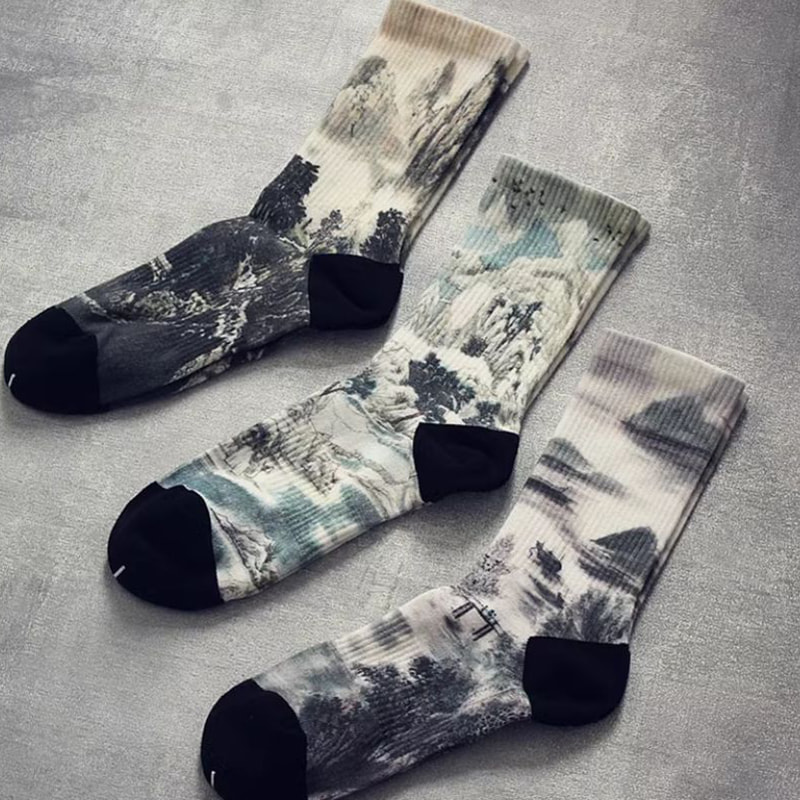
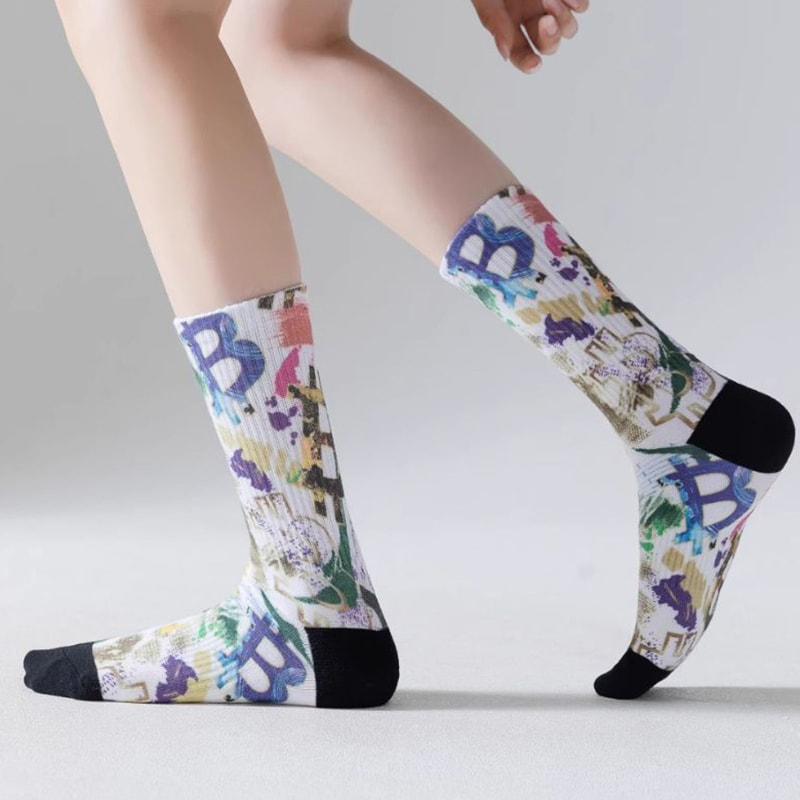
이 디자인 스타일은 오늘날 중국의 전통적인 요소를 현대 트렌드와 결합하고 독특한 디자인을 통해 강한 중국 스타일을 보여 주면서 오늘날 젊은이들의 개인화 된 요구를 충족시킬뿐만 아니라 매일 마모에 독특한 문화적 매력을 더합니다. 고급 3D 인쇄 기술은 양말의 패턴과 질감을 3 차원적이고 생생하게 만드는 데 사용됩니다. 이 기술은 패턴의 정밀성과 명확성을 향상시킬뿐만 아니라 양말을보다 인식하고 유행하게 만듭니다. 중간 길이의 양말로서 길이는 보통으로 봄과 가을의 차가운 침공으로부터 발목을 보호 할 수 있으며 너무 뜨겁고 습하지 않습니다. 동시에 봄과 가을의 날씨 변화는 다양하며,이 양말은 이러한 변화에 잘 적응할 수있어 발에 대한 편안한 착용 경험을 제공합니다. 양말에 인쇄 된 패턴은 풍부하고 다양하며 산과 물, 꽃과 새, 드래곤 및 피닉스와 같은 전통적인 중국 패턴 또는 현대적인 트렌디 한 요소를 결합한 창의적인 패턴 일 수 있습니다 .
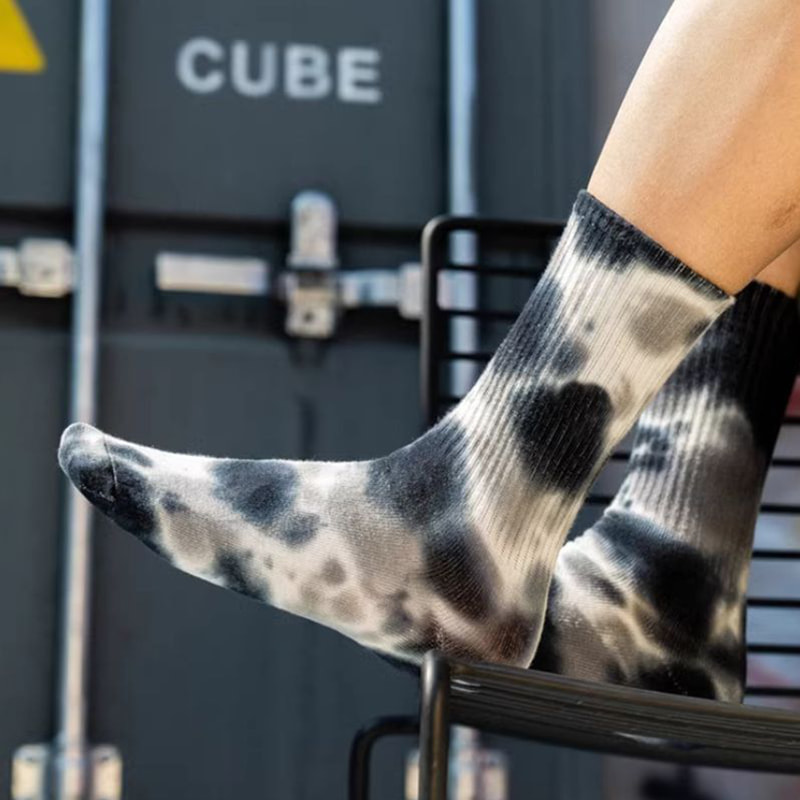
American Tie Dye는 특정 묶고 염색 기술을 사용하여 양말에 풍부하고 다채로운 패턴과 색상 구배 효과를 만들어 제품의 패션 감각과 개인화를 증가시키는 독특한 염색 과정입니다. 중간 길이로 설계된이 제품은 농구와 같은 스포츠웨어에 적합하여 발목을 충분한 포장 및 염좌 및 기타 부상으로부터 보호합니다. 바닥은 습기가 찢어지는 성능을 가진 두꺼운 수건으로 설계되어 발에서 땀을 빠르게 흡수하여 건조하고 편안하게 유지하며 운동 중 슬라이딩 및 마찰을 줄일 수 있습니다. 양말 몸체는 양말의 두께와 따뜻함을 높이고 착용의 편안함과 부드러움을 향상시키는 루프 디자인을 가질 수 있습니다. 순수한면 물질로 만들어진 순수한 면화는 통기성과 피부 친근감을 가지고 발 냄새와 박테리아 성장을 줄이며 발 건강을 유지합니다. 이 제품은 컬러 매칭 및 패턴 디자인과 같은 인기있는 INS 스타일 요소를 통합하여 젊은 소비자의 미학적 요구에 더 잘 맞게 만들 수 있습니다 .
고급 3D 프린팅 기술을 채택한 패턴은 3 차원과 레이어링에 대한 강한 감각을 나타내므로 양말을보다 세련되고 독특하게 만듭니다. 패턴은 밝고 내구성이 뛰어나고 퇴색하기 쉽지 않으며 양말의 모양을 오랫동안 새로운 것으로 유지합니다. 유럽과 미국 거리 스타일, 스포츠 요소, 낙서 예술 등을 포함한 풍부한 패턴 선택이 있으며 다양한 소비자의 개인화 된 요구를 충족시킵니다. 부드러운 터치와 피부 친화적 인 편안함으로 고품질 면화 재료가 선택됩니다. 면화 물질은 통기성이 좋으며 발을 건조하게 유지하고 박테리아 성장을 줄이며 발 습기를 빠르게 흡수하고 배출하여 발을 건조하고 편안하게 유지하며 봄과 여름 시즌에 착용하기에 적합합니다. 양말은 탄력성이 우수하고 다른 발 모양에 밀접하게 맞을 수 있으며 운동 중 마찰과 불편 함을 줄일 수 있습니다 .
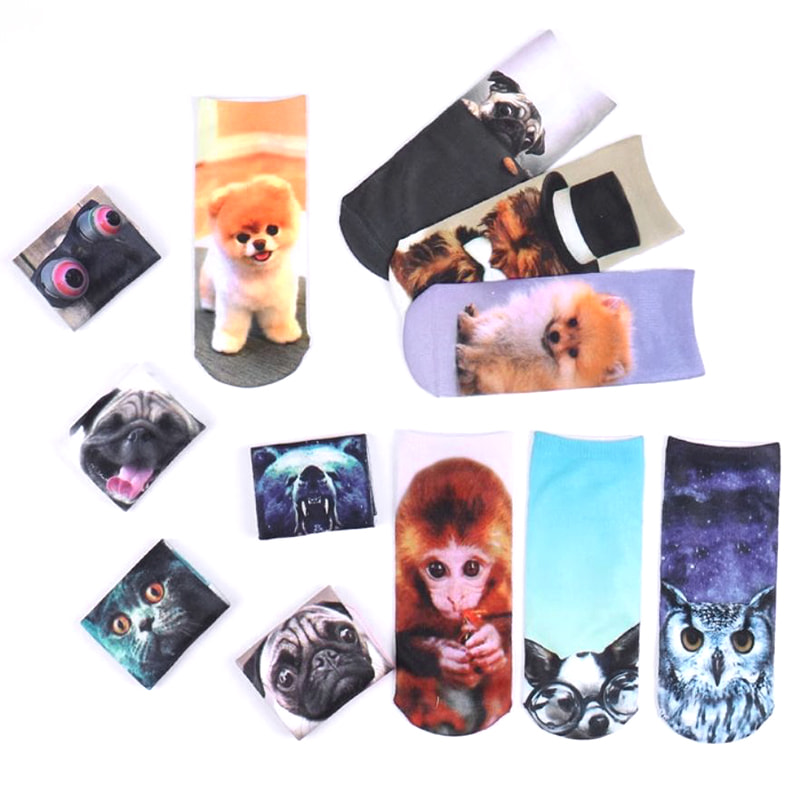
짧은 양말 범주에 속하는 3D 양말은 유럽과 미국 전통 스타일을 인쇄 요소와 통합합니다. 3D 프린팅 기술을 통해 고유 한 패턴과 디자인은 양말에 제공되어보다 세련되고 개인화됩니다. 유럽과 미국의 전통적인 스타일은 일반적으로 자유, 개성 및 아방가르드 표현을 강조하며, 밝은 색상, 독특한 패턴 및 다양한 인쇄 패턴으로 만화, 애니메이션, 문자, 숫자, 기하학적 모양 등
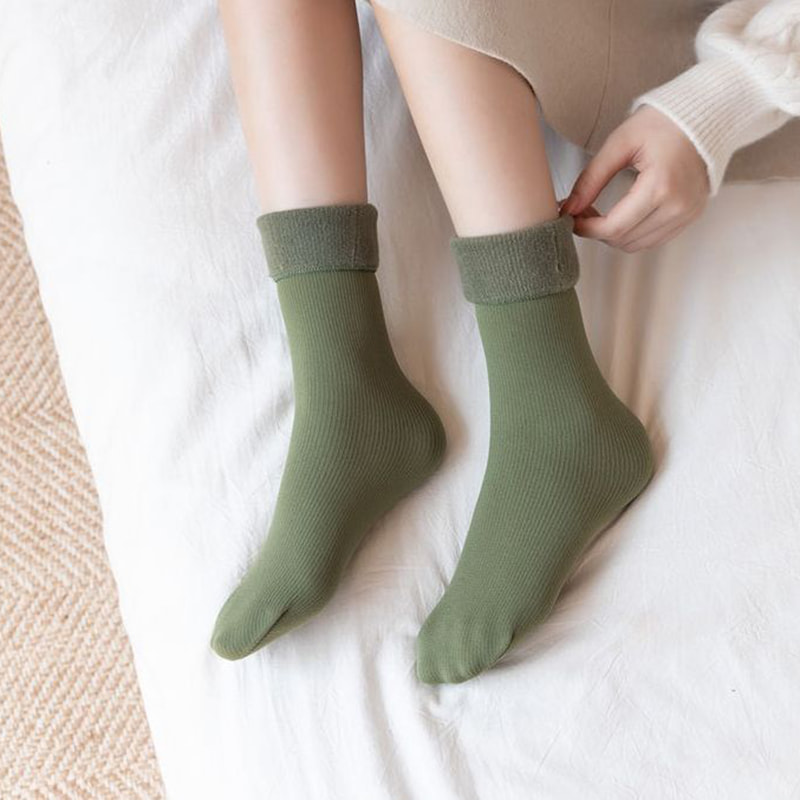
모방 캐시미어 재료를 사용 하여이 재료는 캐시미어 및 단열 성능과 같은 부드러운 터치를 가지고 있습니다. 모방 캐시미어 섬유는 섬세하며 공기를 효과적으로 잠글 수있어 발에 오래 지속되는 따뜻함을 제공하는 단열층을 형성합니다. 내부 층은 캐시미어로 두껍게되어 추운 날씨에도 발에 충분한 따뜻함을 제공 할 수 있습니다. 이 디자인은 단열 효과를 향상시킬뿐만 아니라 착용의 안락함을 높이고 가을과 겨울철에는 땅이 미끄러질 수 있다는 점을 고려할 때 제품은 슬립 공연에 특별한주의를 기울입니다. 특수 슬립 재료 및 가공 기술을 사용함으로써 걷기시 더 큰 안정성과 안전성을 보장합니다. 제품의 패브릭은 내장성 및 내구성이 뛰어나고 약을 약하거나 퇴색하기 쉽지 않으며 장기 마모 및 세척 후에도 좋은 외관과 성능을 유지할 수 있습니다. 착용 할 때 단단함이나 주름없이 다른 발과 다리 모양에 맞을 수있는 매우 탄성적 인 재료로 만들어집니다 .
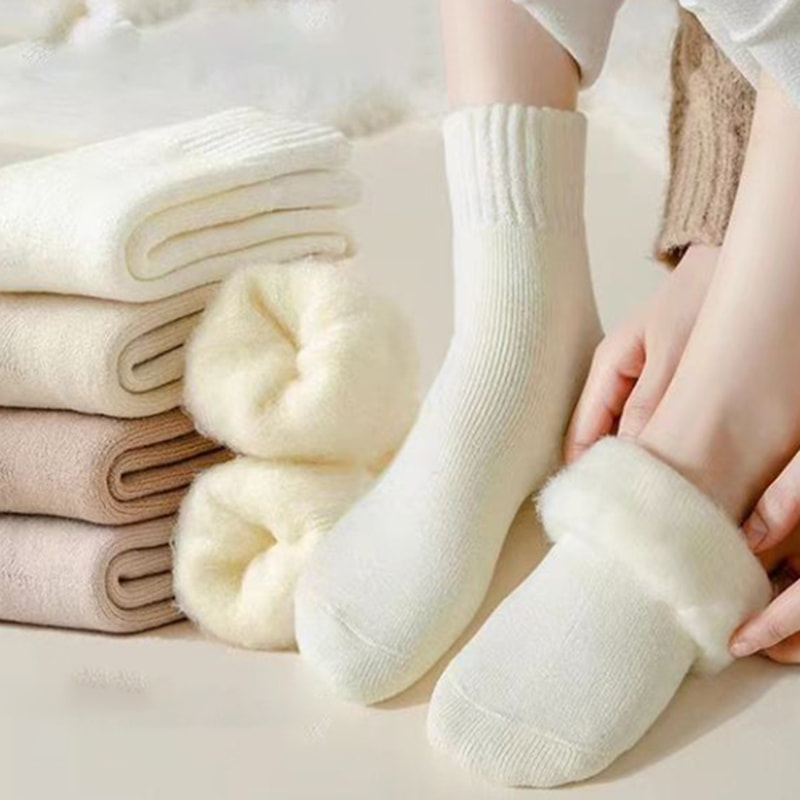
봉제 및 두꺼운 디자인을 사용하면 차가운 공기를 효과적으로 분리하고 발에 지속적인 따뜻함을 제공 할 수 있습니다. 두꺼운 봉제 층은 따뜻함을 높일뿐만 아니라 편안함을 향상시킵니다. 양말의 표면은 칫솔질 루프 재료로 만들어졌으며 따뜻함과 피부 친화가 좋습니다. 브러시 된 루프는 더 많은 공기를 잠그고 열 단열층을 형성하며 열 손실을 줄일 수 있습니다. 중간 튜브의 길이 설계는 따뜻하고 세련되며 송아지 부위를 덮고 차가운 바람 침습을 효과적으로 예방합니다. 동시에 부츠, 스포츠 슈즈 등과 같은 다양한 가을 및 겨울 신발 스타일과 짝을 이루는 것이 편리합니다.이 제품에는 바닥 양말과 타월 양말의 기능도 가정 환경에서 착용하기에 적합합니다. 부드러운 소재와 편안한 터치를 통해 착용자는 집에서 따뜻함과 편안함을 누릴 수 있습니다. 특수 가공은 착용 및 세척 중에 양말이 머리카락을 쉽게 흘리지 않도록하기 위해 사용됩니다.
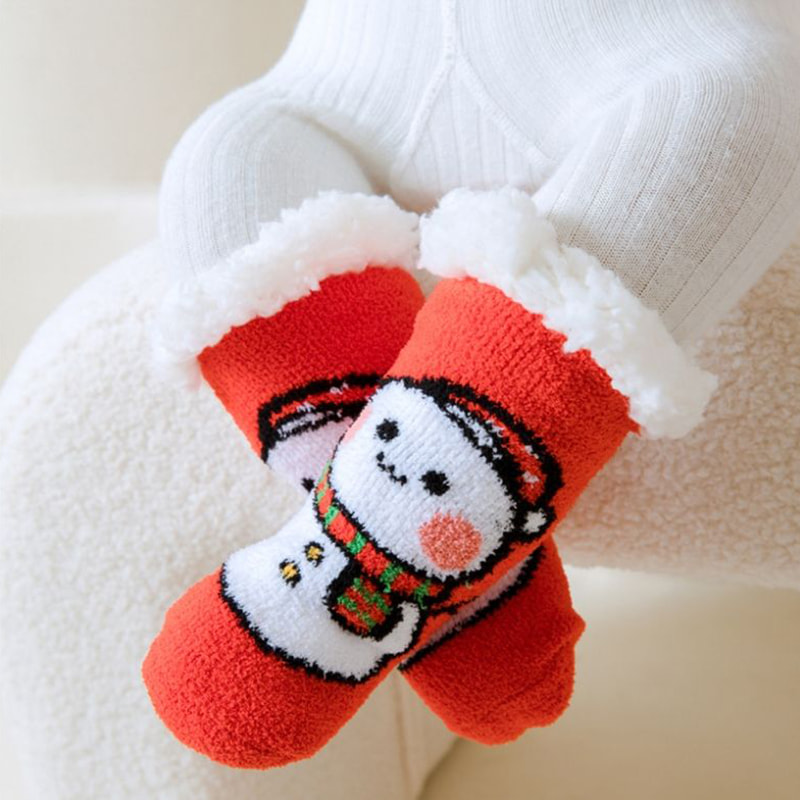
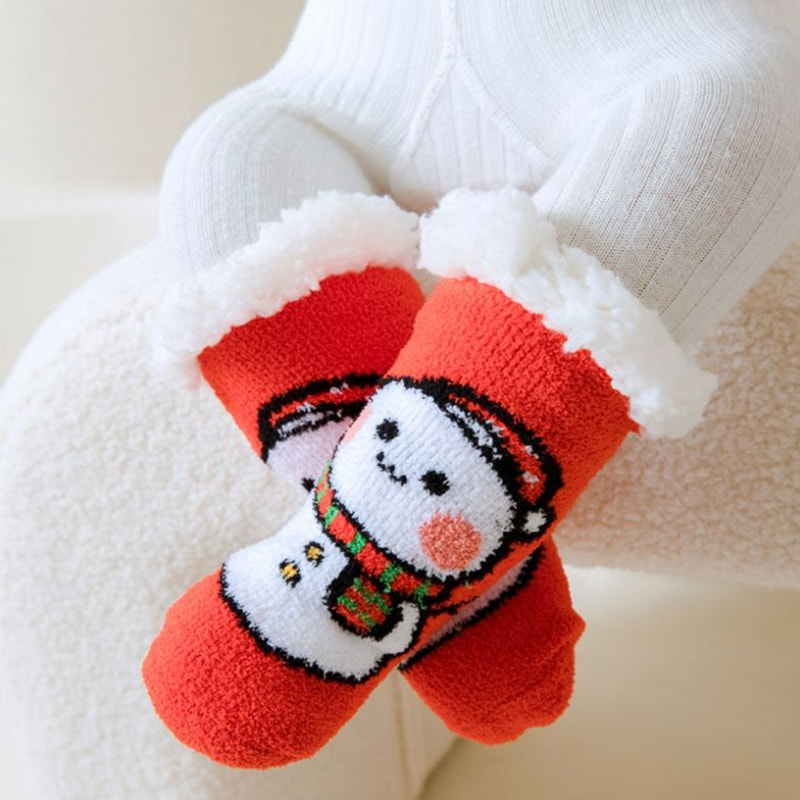
이 제품은 주로 아기의 섬세한 피부에 매우 적합한 부드럽고 따뜻하며 피부 친화적 인 직물 인 Coral Fleece 소재를 사용합니다. 또한 일부 제품은 Lamb Fleece와 같은 재료를 결합하여 따뜻한 효과를 더욱 향상시킬 수 있습니다. Coral Fleece와 Lamb Fleece는 모두 절연 성능이 우수하여 온도를 효과적으로 잠그고 아기의 발을 따뜻하게 관리 할 수 있습니다. 특히 추운 겨울에는 착용하기에 적합합니다. 이 제품에는 크리스마스 테마 패턴, 동물 패턴 등과 같은 풍부한 만화 패턴이 포함되어 있습니다. 이러한 패턴은 귀엽고 흥미로울뿐만 아니라 아기의 상상력과 관심을 자극합니다 .
양말은 주로 산호 양털 또는 양고기 양털 재료로 만들어졌으며, 둘 다 절연 성능을 가지고 있으며 부드럽고 피부 친화적이며 아기에게 따뜻하고 편안한 착용 경험을 제공합니다. 일부 제품은 양말의 내구성과 통기성을 높이기 위해 폴리 에스테르 섬유 (폴리 에스테르)와 같은 혼합 재료를 사용할 수 있습니다. 양말은 크리스마스 요소 (예 : 눈송이, 산타 클로스, 순록 등), 동물 패턴 (예 : 곰, 토끼 등)과 같은 다양한 만화 패턴으로 인쇄되어 양말의 재미와 귀여움을 높이고 아기의 미학에 적합합니다. 중간 튜브 디자인은 아기의 발목과 송아지를 더 잘 보호 할 수 있고, 추위를 피할 수 있으며, 바닥 양말도 부드럽고 비 슬립 재료로 인해 바닥에서 놀 때 아기가 착용하기에도 적합합니다 .
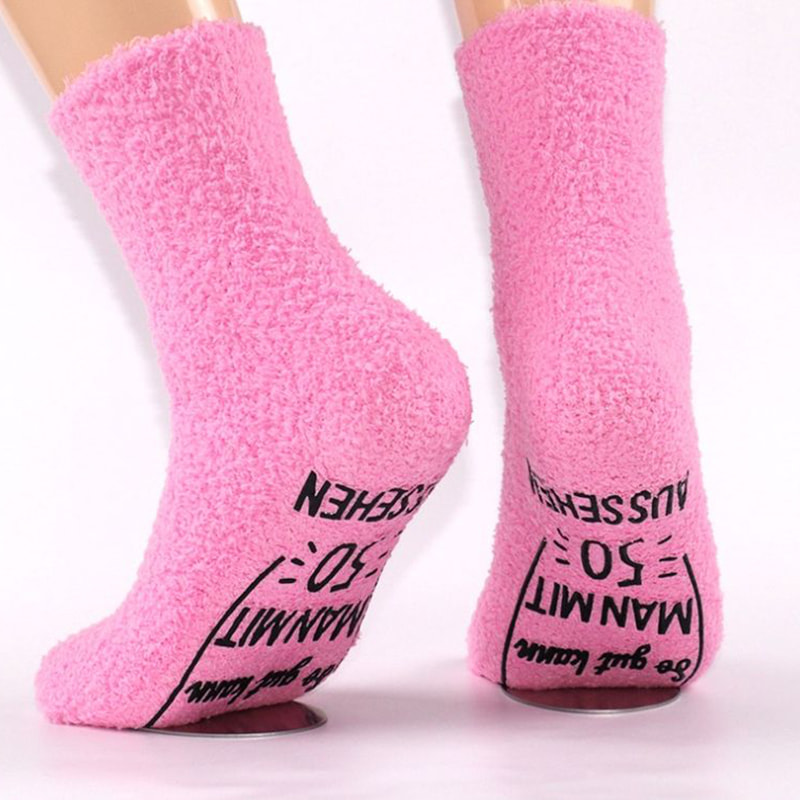
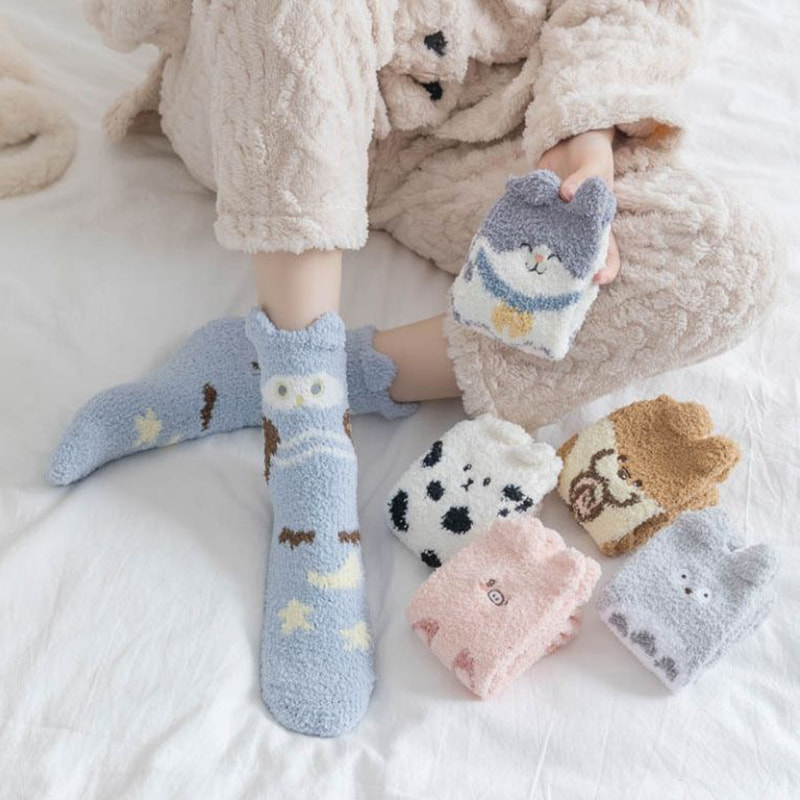
Coral Fleece Coarse Belessive Socks는 양말의 바닥 또는 핵심 부분에 접착 성 안티 슬립 디자인을 채택하여 양말과지면 또는 밑창 사이의 마찰을 증가시킬 수 있으며 걷기 또는 움직임 중에 미끄러지지 않으며 특히 가정 및 바닥과 같은 부드러운 표면에 착용하는 데 적합합니다. Coral Fleece에는 긴 섬유와 두꺼운 공기 층이 있으며, 이는 단열재와 따뜻함이 우수하며 추운 계절에 착용하기에 적합하며 발이 차가워지는 것을 효과적으로 방지 할 수 있습니다. Coral Fleece는 부드럽고 섬세한 질감과 편안한 터치를 가지고 있으며 피부에 맞고 발을 감싸고 피로를 완화하며 따뜻하고 편안한 착용 경험을 제공 할 수 있습니다. 산호 양털은 통기성과 수분 흡수가 좋으며 발에서 과도한 수분을 흡수하여 모공을 통해 사격하여 발을 건조하게 유지할 수 있습니다. 산호 양털 양말에는 특정 특성이 있습니다. 항균 및 탈취 기능은 박테리아 성장을 줄이고 발을 깨끗하게 유지하는 데 도움이됩니다 .
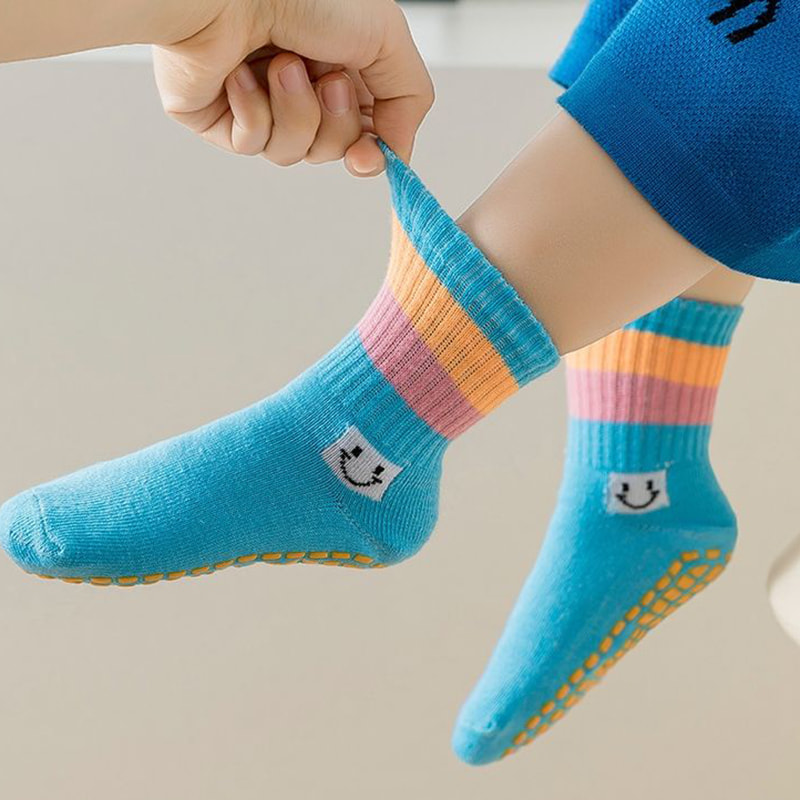
접착 성 안티 슬립 바닥과 같은 특수 슬립 디자인을 채택하면지면에 마찰이 증가하여 어린이가 트램폴린, 슬라이드 및 기타 장비에서 미끄러지는 것을 효과적으로 방지합니다. 하이 탑 디자인은 어린이 발목 주위를 더 잘 감싸고, 추가 지원과 보호를 제공하며, 염좌의 위험을 줄이며, 장기 마모로 인한 화려 함을 피하기 위해 통기성과 수분 흡수가 좋은 고품질 직물을 사용합니다. 특별히 처리 된 직물은 내마모성이 높고 어린이 활동 중에 빈번한 마찰과 당기는 견딜 수 있습니다 .
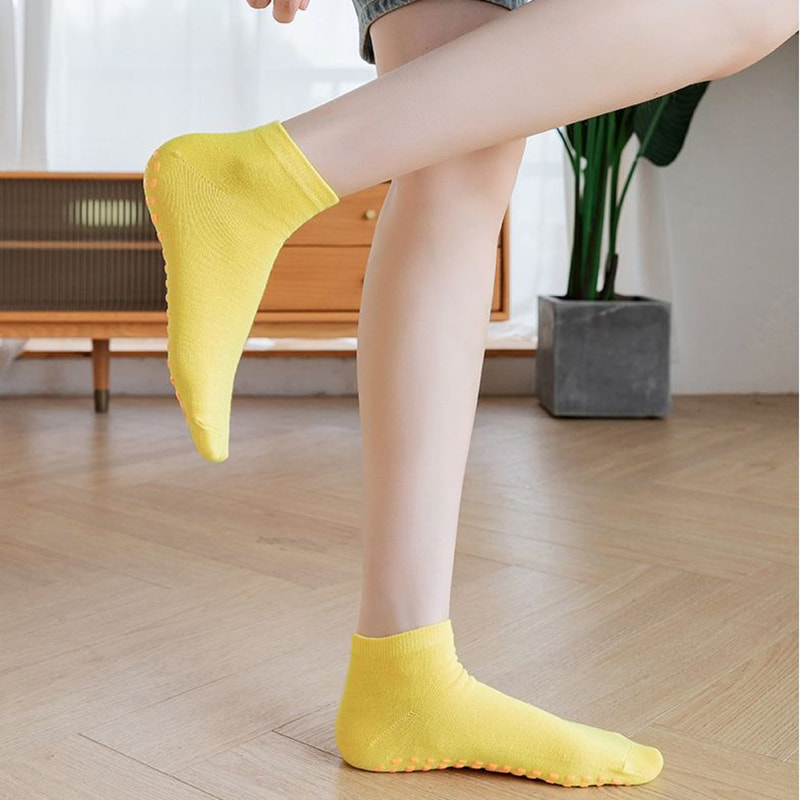
성인 요가 양말은 일반적으로 바닥에 도트 모양의 안티 슬립 입자와 같은 특수 질감이나 재료를 사용하여 운동 중에 실무자가 미끄러지는 것을 효과적으로 방지하고 안전을 보호합니다. 안티 슬립 입자는 요가 매트에 내장되어 약간의 저항성을 제공하고 발이 체중 압력으로 이동하는 것을 방지 할 수 있습니다. 요가 양말은 종종 부드러운 면화, 대나무 섬유 등과 같은 흡수성 및 빠른 건조 재료로 만들어지며 발에서 땀을 빠르게 흡수하고 건조하게 유지하며 습기 흡수 및 땀을 흘리는 성능이 우수하여 젖은 발로 발생하는 불량을 줄이고 운동 경험을 향상시킬 수 있습니다 .
고품질의 산호 양털 재료가 사용되며, 이는 단열성이 우수하며 발이 추위를 효과적으로 방지 할 수 있습니다. 두꺼운 디자인은 추운 가을과 겨울철에도 양말의 단열 효과를 더욱 향상시켜 발에 충분한 따뜻함을 제공합니다. 산호 양털 소재는 부드럽고 섬세하며 터치에 편안하며 피부에 자극을 유발하지 않습니다. 오랫동안 착용하면 불편하지 않을 것입니다. 탄력성이 좋고 다른 발 유형에 맞을 수 있으므로 더 편안하고 착용하기가 편안합니다. Coral Fleece 소재는 일반적으로 내마모성이 우수하며 약을 약하거나 변형하기 쉽지 않으므로이 양말은 상대적으로 내구성이 있습니다 .